2026-10-18 ·
What to Do After a House Fire in Vancouver, WA: A First 24 Hours Checklist
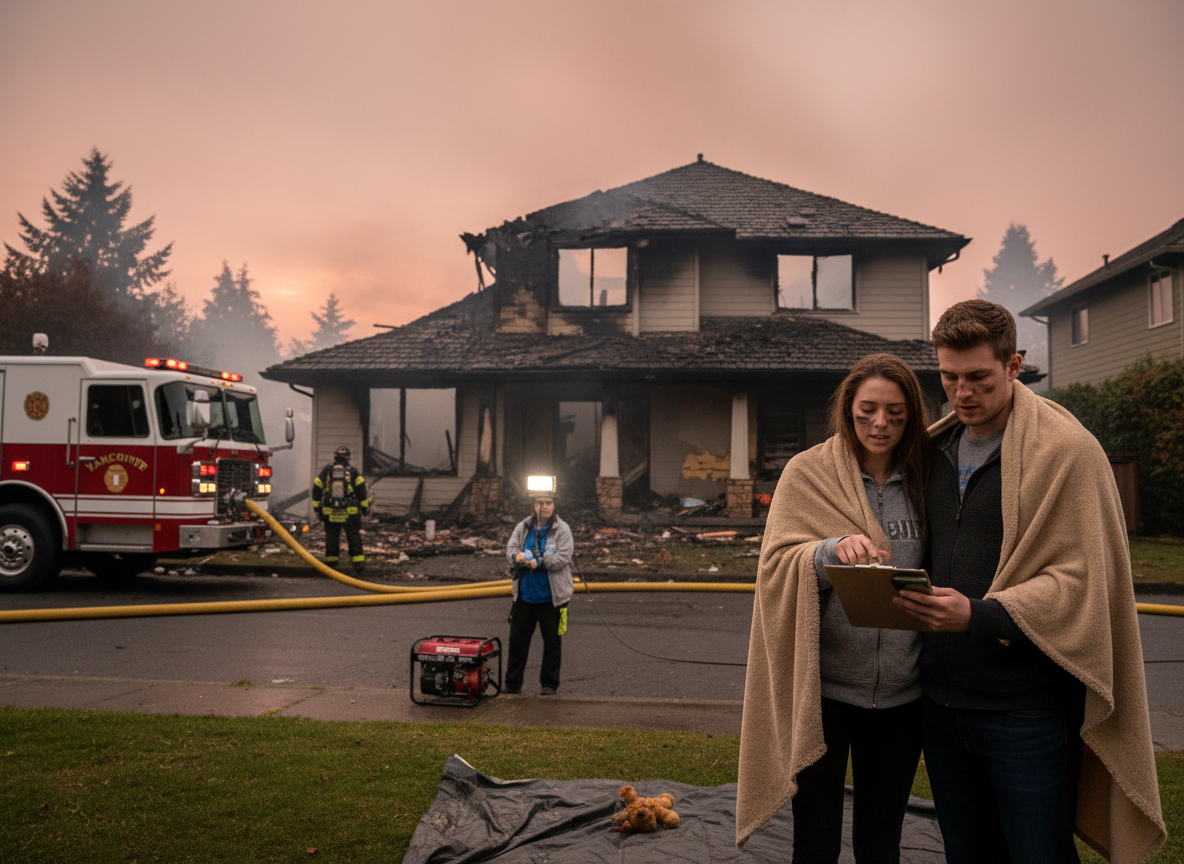
After a house fire in Vancouver, WA, the first 24 hours should focus on safety, preventing further damage, and gathering information before restoration work begins. Confirm everyone has left the building, contact emergency services if needed, and do not re-enter until authorities confirm it is safe.
Ensure Everyone's Safety First
Get all occupants and pets outside and move to a safe distance. Call 911 if anyone remains inside, new flames appear, or there is an immediate emergency. Do not retrieve belongings until authorities confirm the building is safe. Avoid touching electrical switches or appliances in potentially damaged areas until they have been assessed as safe.
Secure the Property to Limit Further Loss
Once authorities confirm it is safe to approach, ask your insurer or a qualified restoration professional about protecting broken windows, damaged doors, and roof openings. Do not attempt DIY boarding or roof repairs on an unstable structure.
Fire Damage Board-Up services may help secure exposed openings and reduce further damage. Photograph visible exterior damage from a safe location before temporary repairs begin, if possible.
Document Damage and Contact Insurance
Take photos and videos of visible damage from a safe location, including affected walls, ceilings, flooring, and belongings. Make an inventory of damaged items and keep receipts for emergency expenses, temporary accommodation, and other relevant costs.
Contact your insurance company as soon as possible. Ask for your claim number, documentation requirements, inspection process, and details about any temporary living expenses covered by your policy.
Understanding Insurance Documentation for Fire Damage in Clark County explains important paperwork to organize during the claims process.
Review any contractor agreement carefully before signing. Ask your insurer about coverage and required documentation, but do not delay necessary emergency measures when they are safe and appropriate.
Arrange a Professional Assessment and Initial Cleanup
Fire can cause damage beyond visibly burned areas. Smoke residue, soot, heat, and water used to extinguish the fire may affect walls, flooring, insulation, and other materials.
A professional assessment can help identify affected areas and determine appropriate next steps. Emergency Fire Damage Restoration can help property owners understand the restoration process.
Fire Damage Cleanup may involve removing fire debris and addressing soot and smoke residue. Avoid running the HVAC system or cleaning soot yourself until affected equipment and surfaces have been assessed.
Plan Next Steps for Contents and Odor Control
Create an inventory of belongings affected by the fire, noting their condition, age, and approximate value where possible. Keep receipts and records of any items moved or disposed of, and check with your insurer before discarding damaged belongings when practical.
Smoke odors and residue can remain after visible damage is removed. Discuss cleaning, deodorization, and the handling of salvageable belongings with a qualified restoration professional.
For related prevention information, see Protecting Vancouver WA Homes From Wildfire Smoke Infiltration. For belongings affected by the fire, review Fire-Damaged Contents Restoration.
First 24 Hours After a House Fire: Quick Checklist
- Confirm everyone is safe and follow emergency officials' instructions.
- Do not re-enter the property until authorities approve.
- Photograph visible damage from a safe location.
- Contact your insurance company and record the claim number.
- Save receipts and document damaged belongings.
- Ask about safe temporary property protection.
- Arrange a professional assessment before beginning cleanup.
Frequently Asked Questions
Can I enter my home after a fire?
Only return when the fire department or appropriate authorities confirm it is safe. Hidden structural, electrical, and other hazards may remain.
Should I clean soot myself?
Avoid scrubbing soot or using household cleaners on fire-damaged surfaces. Improper cleaning can spread residue or damage materials.
Will homeowners insurance cover temporary accommodation?
Coverage depends on your policy and circumstances. Contact your insurer to confirm whether temporary living expenses are covered.
Take the Next Step
After a house fire in Vancouver, WA, prioritize safety, documentation, insurance communication, and a professional assessment. These steps can help you make informed decisions as the recovery process begins.