2026-09-02 ·
How To Remove Soot From Walls After A Kitchen Fire
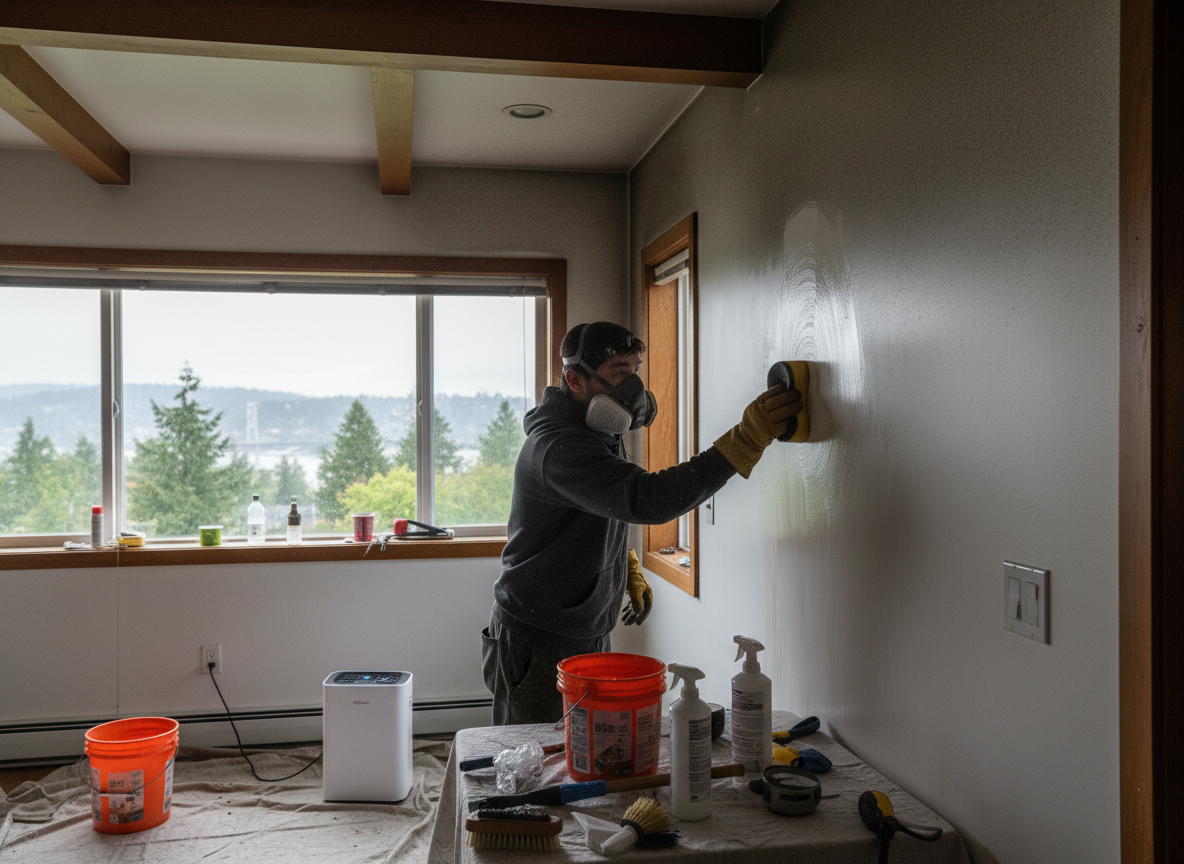
Removing soot from walls after a kitchen fire starts with dry cleaning methods using microfiber cloths and vacuum brushes with HEPA filters, taking 2–4 hours per average room before any wet cleaning begins. This approach lifts loose particles without smearing the oily residue typical from cooking fires. In Vancouver homes built before 1980, such as those in Downtown Vancouver or Uptown Village, plaster walls require extra care to avoid gouging during this stage.
Assessing Soot Damage on Local Wall Types
Older housing stock in Hazel Dell and Orchards often features plaster over lath that absorbs soot differently than modern drywall found in newer Felida subdivisions. Begin by testing a small inconspicuous area with a dry sponge to see if the soot lifts cleanly or leaves a stain. Note smoke patterns around outlets and crown molding, which indicate how far the residue traveled. Mild wet winters in Clark County can trap moisture behind soot layers, leading to hidden mold if walls are not fully dried within 48 hours after cleaning. Document the extent with photos for insurance purposes before proceeding.
Preparing Surfaces and Safety Steps
Turn off HVAC systems to prevent spreading particles through ducts common in 1960s–1970s homes near Waterfront Park. Cover floors with plastic sheeting and wear N95 masks plus gloves, as soot contains carbon and potential toxins from burned plastics. Remove wall hangings and switch plates first. In warm dry summers, static electricity can make fine soot cling more stubbornly to painted surfaces, so work in sections no larger than 4 square feet at a time. This controlled approach reduces cross-contamination between rooms.
Effective Cleaning Techniques for Soot
Start with dry chemical sponges in a consistent top-to-bottom motion, replacing sponges frequently to avoid redepositing residue. For stubborn spots on semi-gloss paint common in Camas and Washougal remodels, follow with a mild alkaline solution of 1 ounce trisodium phosphate per gallon of water applied via damp cloth. Rinse immediately with clean water and dry thoroughly using fans. Never use excessive moisture on drywall in Portland-adjacent neighborhoods where humidity spikes during winter storms. Multiple light passes outperform aggressive scrubbing that can embed soot deeper into porous surfaces.
Preventing Odor Return and Final Checks
Soot often carries odors that linger in insulation behind walls in areas like Orchards. After visible cleaning, run air scrubbers for 24–48 hours and monitor for any reappearance of discoloration. Soot Removal specialists can test pH levels on walls to confirm neutralization. Homeowners in Hazel Dell should also review Understanding Insurance Documentation For Fire Damage In Clark County to track restoration costs accurately. If staining persists after two cleaning cycles or walls show bubbling, professional assessment prevents further damage during the dry summer months when rapid temperature swings stress materials.
Knowing When Local Help Is Needed
Persistent oily films or odors after DIY attempts signal the need for advanced equipment like thermal foggers, especially in multi-story homes near Fort Vancouver National Historic Site. Teams based at 215 W 4th St, Vancouver, WA 98660 regularly handle these cases where kitchen fires affect adjacent rooms through shared HVAC. Early intervention avoids the need for full Smoke Damage Restoration later. Always test cleaned walls under natural light from windows facing Pearson Air Museum to spot missed residue before repainting.