Fire damage restoration in Wildwood, Vancouver, WA should begin with understanding the full impact of the incident. Flames may damage one area directly, while smoke, soot and water can affect rooms beyond it. Even a small kitchen or garage fire can leave residue on nearby walls, inside cabinets or along ceiling edges. Water used to extinguish the fire may also reach flooring, insulation or concealed spaces. A useful restoration plan identifies each type of damage instead of treating every affected surface as the same problem.
Once emergency responders say the property is safe, avoid moving heavily damaged items or sweeping ash around the home. Fine soot can spread when disturbed, and wet or fire-damaged materials may be unstable. Photograph the rooms, visible damage and affected belongings before cleanup begins. If windows, doors or roof areas are broken, ask about temporary protection to limit weather exposure. Do not turn on heating or cooling equipment if it may circulate smoke residue or if electrical components could be wet or damaged.
Smoke can travel through a home in ways that are not obvious. It may settle on surfaces in adjoining rooms, enter closets, move up stairways or collect around ceiling fixtures. Air movement through a ventilation system can distribute residue farther from the original fire. That is why a proper inspection considers the likely movement of smoke, the building's layout and the materials involved. A room that looks normal at first glance may still need closer checks, while a visibly marked surface may be cleanable depending on the residue and finish.
Cleaning methods should match the surface. Soot on painted drywall, unfinished wood, metal, glass, upholstery and electronics cannot always be treated in the same way. Aggressive scrubbing or an unsuitable cleaner can spread residue, stain a finish or push contamination deeper into a porous material. Contents may need to be sorted into items that can be cleaned, items that require specialist treatment and items that cannot be safely or economically restored. Keep a record of damaged belongings and check with the insurer before disposing of items when possible.
Water used during firefighting is another reason to inspect beyond what can be seen. Carpet can feel dry while padding remains wet; moisture can also sit under flooring, behind baseboards or in wall cavities. Insulation and some composite materials may lose their intended performance when soaked. Moisture meters and targeted checks help determine whether air movement and dehumidification are sufficient or whether affected material needs removal. Drying should be verified rather than judged only by how a room feels.
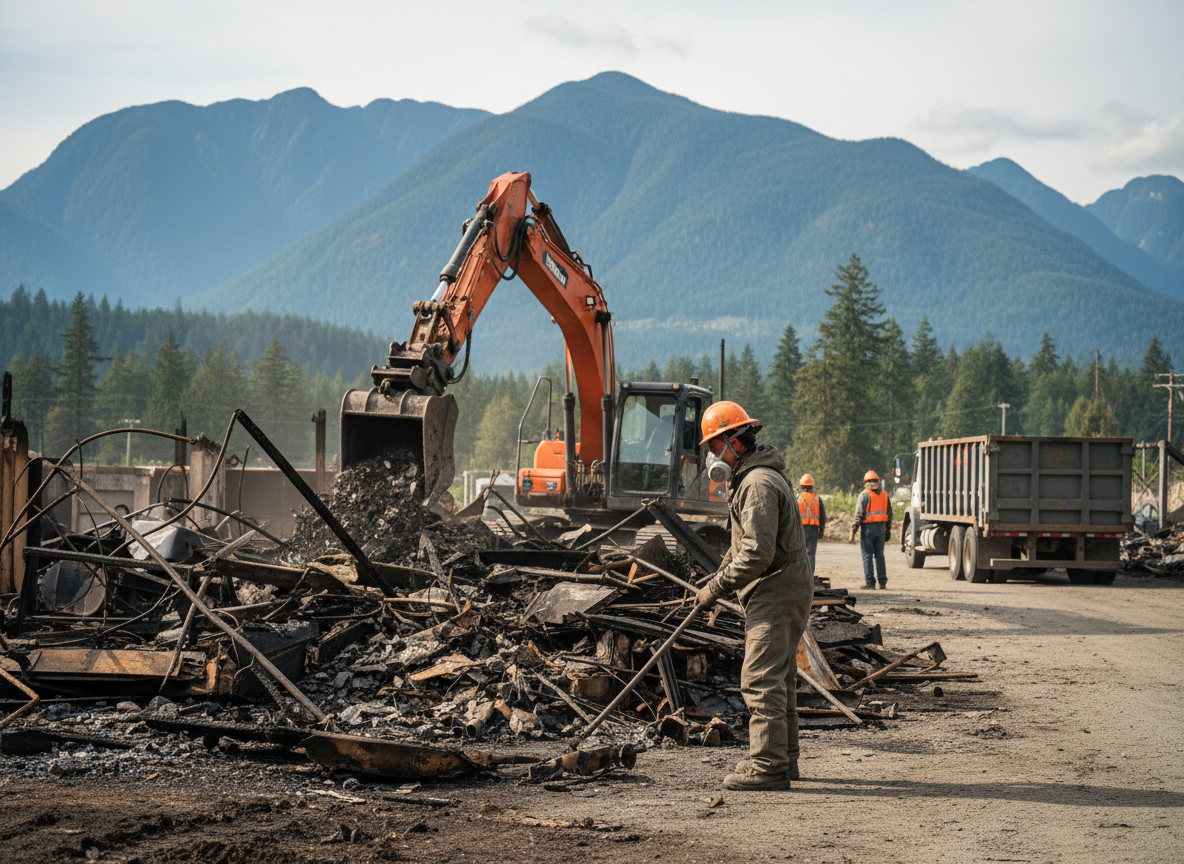
Most projects move through several stages: make the site safe, protect exposed openings, remove debris that cannot be retained, clean smoke and soot, dry affected materials, and complete repairs. Not every job requires every step, and the sequence may change depending on structural conditions or insurance requirements. A written scope helps show which work is emergency stabilization, which is cleaning, and which is reconstruction. It should also identify rooms that were inspected and explain why materials are being cleaned, dried, removed or replaced.
For Wildwood homeowners, it is useful to ask whether the assessment covers rooms adjacent to the fire, ceiling spaces, closets and any accessible attic or crawl-space areas that may have been affected. Ask how the team will avoid spreading soot during removal and how contents will be protected. If the home has a persistent odor, find out whether the source has been removed or cleaned before considering deodorizing alone. Odor treatment is most effective when the residue or damaged material causing the smell has been addressed.
The appropriate next step depends on what the inspection finds. A fire damage assessment helps document the scope; smoke damage restoration addresses residue that may have spread into other rooms; and soot removal focuses on affected surfaces. If odor remains after the source is addressed, smoke odor removal may be appropriate. Damaged drywall, trim or other finishes may require fire damage repair.
Around Wildwood
We regularly work near:
- 📍NE 72nd Avenue
- 📍NE 99th Street
- 📍Felida Park
- 📍Pleasant Valley Elementary
Fire Damage Restoration Vancouver WA in Wildwood — Local Notes
- •Where trees or landscaping limit access, discuss safe equipment placement and debris movement before restoration work begins.
- •Smoke can affect closets, attic spaces and HVAC pathways even when the fire damage appears concentrated in one room.
- •After suppression, check for moisture in carpet padding, subfloors and crawl spaces rather than relying on surface appearance.