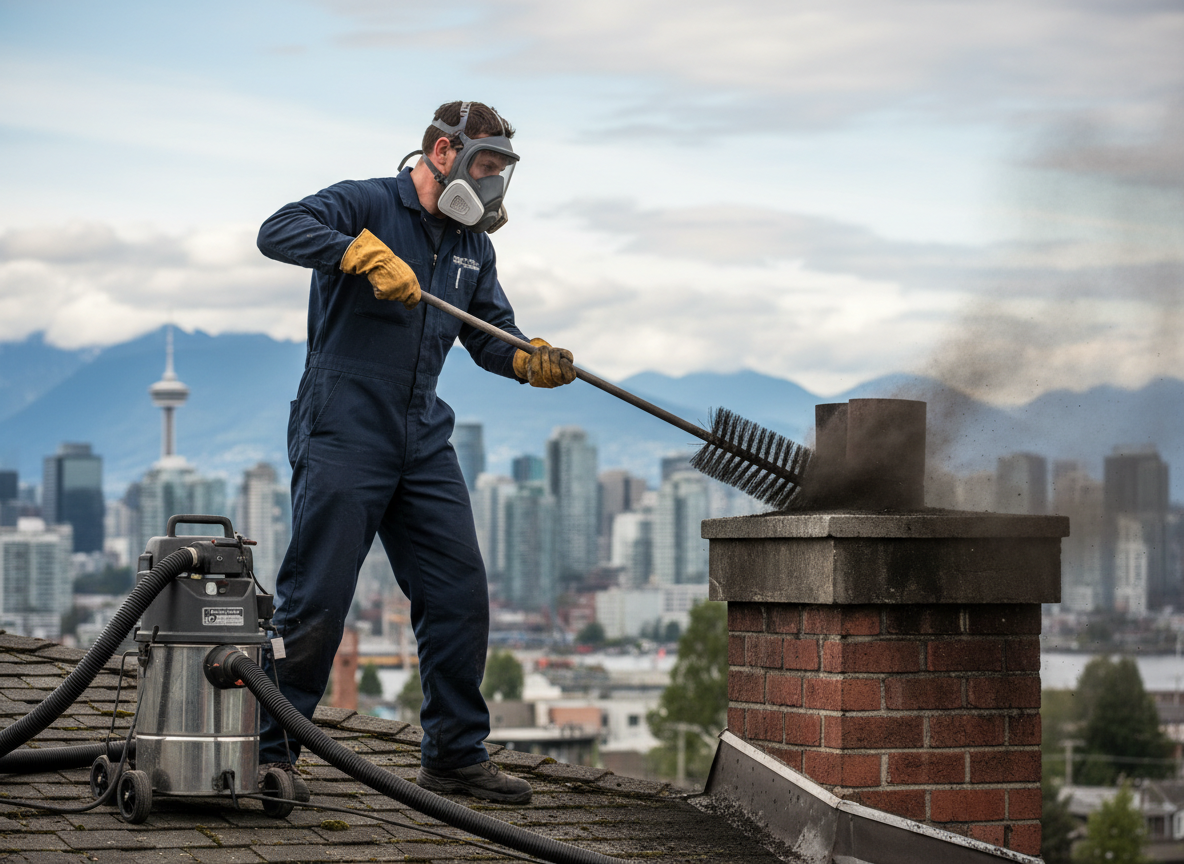
Soot from residential fires in Vancouver clings differently depending on surface age and material. Homes built before 1960 in neighborhoods like Uptown Village and near Fort Vancouver National Historic Site often feature plaster walls and lathe that absorb fine particles, requiring pH-neutral cleaners and controlled vacuum extraction to avoid embedding residue deeper into the substrate. Warm dry summers can leave loose soot that becomes sticky once mild wet winters arrive, turning a simple wipe-down into a multi-stage process that includes HEPA filtration and surface sealing to prevent re-soiling.
HVAC systems in Clark County homes spread soot quickly through forced-air ducts, especially in single-story ranch houses common in Hazel Dell and Felida. Technicians must isolate returns, clean coils and plenums, and verify airflow before re-energizing equipment. Failure to address these paths leaves odors and visible streaks on ceilings weeks after initial cleanup, particularly when humidity rises during the wet season.
Edge cases appear when fires occur in attached garages or near Waterfront Park properties where wind patterns push smoke into neighboring structures. In these situations, soot travels through shared attics and requires coordinated access across property lines. Crews document migration patterns before starting work and use portable containment to protect unaffected rooms, preventing secondary damage that insurance adjusters frequently question later.
Technician insight
In Vancouver, the thing that catches most people out with Soot Removal is how mild wet winters turn loose summer soot into a bonded film on plaster walls in pre-1960 homes near Fort Vancouver. Homeowners often try wiping it themselves and push residue into the texture, forcing us to do extra passes with specialized sponges.
Soot in Hazel Dell Ranch Home
Smoke from a kitchen fire traveled through the HVAC and left fine residue on ceilings and walls. We found the soot had bonded to the textured plaster after recent rain increased indoor humidity. Containment and multi-stage extraction cleared the surfaces without damaging the original finish, and the homeowner could reopen the house the same week.
Soot Removal Services We Offer
✓Drywall and Plaster Soot Extraction
Removes embedded soot from textured drywall and historic plaster walls without damaging original finishes common in Downtown Vancouver homes.
✓HVAC Duct and Coil Cleaning
Extracts soot from forced-air systems to stop redistribution through homes in Orchards and Felida where ductwork often runs through crawl spaces.
✓Ceiling and Light Fixture Restoration
Cleans soot from popcorn ceilings and vintage fixtures found in Uptown Village properties while protecting surrounding paint and trim.
✓Hard Surface Soot Removal
Treats tile, concrete, and wood floors in Clark County homes using appropriate solvents that avoid etching or discoloration.
✓Fabric and Upholstery Soot Treatment
Addresses soot on carpets, drapes, and furniture using low-moisture methods suited to the region's occasional high indoor humidity.
How it works
- 1
Initial Assessment
Inspect all affected rooms, note soot migration through HVAC, and identify surfaces typical of Vancouver's older housing stock.
- 2
Containment Setup
Isolate work zones with plastic sheeting and negative air machines to keep particles from spreading to unaffected areas.
- 3
Surface Cleaning
Apply appropriate cleaners and extraction methods to drywall, ceilings, and hard surfaces while protecting original materials.
- 4
System Verification
Run HVAC on test cycles and inspect for remaining residue before final walkthrough.
Pricing
Cost depends on number of affected rooms, HVAC involvement, and surface types in older Clark County homes.